
First-Party Data and Trust Are Becoming a Competitive Advantage
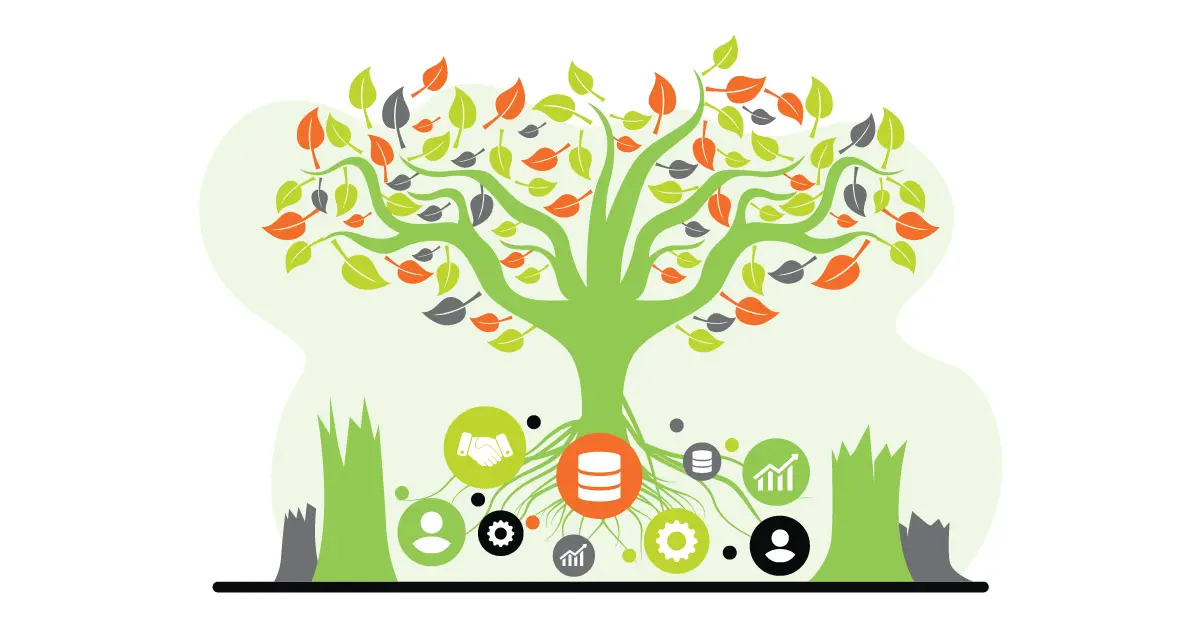
Privacy changes are reshaping digital marketing faster than many organizations are prepared for. As third-party cookies disappear and consumers gain more control over their data, companies can no longer rely on passive tracking and platform-driven targeting to fuel growth.
The organizations gaining an advantage are not simply collecting more data. They’re building stronger trust.
First-party data is quickly becoming one of the most valuable strategic assets in modern marketing because it’s permission-based, relationship-driven, and increasingly difficult for competitors to replicate.
Key Takeaways:
- First-party data is harder to replicate than third-party data, making it a durable competitive advantage.
- Treating opt-in as a value exchange, not a legal formality, drives stronger engagement and trust.
- Trusted customer data compounds over time through ongoing willing interactions.
- Trust directly impacts conversion, retention, and revenue—not just brand perception.
Why First-Party Data Matters More Than Ever
The difference between first-party and zero-party data is distinct. First-party data is collected through customer behavior and interaction. Zero-party data is explicitly and intentionally shared with you by the customer.
Then there’s third-party data, which comes from outside sources with no direct customer relationship. For years, marketers optimized around the scale and accessibility of third-party data. That model is weakening now. So, what's driving the shift away from third-party data?
- Browser privacy restrictions
- Platform data limitations
- Consumer expectations around transparency
- Regulatory pressure
As these changes accelerate, companies must shift toward owned customer relationships and direct engagement strategies. What does owned customer data actually look like?
- Email and SMS audiences
- Community and membership ecosystems
- Website behavioral insights
- Zero-party data that customers intentionally provide
The future advantage will belong to brands with the most trusted customer data, not the largest datasets.
The Shift From Compliance to Value Exchange
One of the biggest strategic mistakes companies still make is treating opt-in as a legal requirement instead of a relationship opportunity.
Traditional subscription messaging, such as:
“Sign up for updates”
“Subscribe to our newsletter”
…is becoming less effective because users now evaluate data sharing more critically.
Consumers increasingly ask:
- What value do I receive in return?
- Will this improve my experience?
- Do I trust this company with my information?
High-performing organizations are reframing opt-in as a value exchange.
Instead of focusing on permission to market, they focus on creating reasons to engage:
- Exclusive insights
- Personalized experiences
- Early access opportunities
- Relevant expertise
- Better customer outcomes
As privacy standards tighten, weak value propositions become easier to ignore.
Trusted Data Creates Strategic Advantages
Strong first-party data strategies create benefits well beyond marketing compliance.
Organizations with trusted audience relationships gain:
- Better personalization accuracy.
- Higher quality customer insights.
- Reduced dependence on advertising platforms.
- More resilient acquisition strategies.
- Improved retention and customer lifetime value.
Most importantly, first-party data compounds over time because it is built through direct interactions that customers willingly maintain. That makes it significantly harder for competitors to replicate.
Why Trust Is Now a Growth Strategy
Trust is no longer a soft brand metric. It directly impacts:
- Conversion rates
- Opt-in performance
- Engagement quality
- Data accuracy
- Retention
- Revenue efficiency
Companies that continue relying on aggressive tracking and transactional marketing approaches may find themselves losing visibility as privacy expectations evolve.
Meanwhile, organizations that prioritize transparency, relevance, and customer value are building durable competitive advantages through stronger relationships and better proprietary, trust-built data (the kind competitors can’t buy or scrape).
Privacy changes are not eliminating growth opportunities. They are changing how growth is earned. The next generation of market leaders will likely be defined less by how effectively they track users and more by how effectively they earn trust.
In a privacy-first environment, first-party data is no longer just a marketing asset. It’s a competitive moat built on customer confidence, direct relationships, and long-term value exchange.